
If you are a U.S. military veteran with a service history, you may be entitled to disability compensation from the U.S. Department of Veterans Affairs (VA). But knowing whether your condition qualifies for VA disability benefits can feel overwhelming. You’re not alone; many veterans struggle with the process, and that’s exactly why I’m here to help.
1. What Does “Service-Connected” Mean?

To qualify for VA disability benefits, your condition must be linked, or “service-connected,” to your military service.
That means:
- Your condition began during service,or
- Your condition was caused by something that happened in service,or
Your condition got significantly worse because of your service.
2. Common Types of Qualifying Conditions
There’s a wide range of conditions that can qualify for VA disability, including:
Physical Conditions
Mental Health Conditions
Musculoskeletal injuries (back pain, knee problems, joint injuries)
Traumatic brain injury (TBI)
Hearing loss or tinnitus
Chronic pain or nerve damage
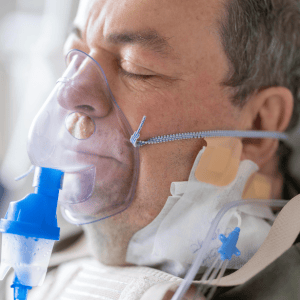
Respiratory conditions
Post-Traumatic Stress Disorder (PTSD)
Depression
Anxiety
Military sexual trauma (MST)-related conditions
Other Conditions
Gulf War Illness
Exposure-related diseases (e.g., burn pit exposure)
Chronic conditions like diabetes or cardiovascular disease if linked to service stressors or events
Remember: Just because a condition isn’t on a specific VA list doesn’t mean it won’t qualify. If you can show a service connection and medical evidence, you may still be eligible.
3. The Three Key Elements the VA Looks For

When evaluating your claim, the VA will review:
1. A Current Diagnosis
You must have a documented medical diagnosis from a qualified professional.
2. Evidence of an In-Service Event, Injury, or Illness
This could be from your service treatment records, personnel files, or even buddy statements.
3. A Medical Nexus
This is a professional medical opinion linking your current condition to your military service. A doctor’s statement that says your condition is “as likely as not” related to service can be enough.
4. What If Your Condition Didn’t Start in Service?
You might think that if a condition began after you left the military, it doesn’t qualify but that’s not always true.
If your condition was caused or made worse by something that happened while you served, it can still be service-connected. For example:
A joint injury during service that led to arthritis years later
Exposure to toxins that caused health issues after discharge
A mental health condition that surfaced after service but is linked to traumatic events
5. Secondary Service Connection: When One Condition Leads to Another

- A primary condition causes a new problem: Example: A service-connected knee injury leads to an altered gait (the way you walk), which eventually causes hip or back pain.
- A primary condition makes another condition worse: Example: A service-connected mental health condition like PTSD increases stress, sleep disruption, or medication side effects, contributing to additional diagnoses.
- Knee/ankle injury → back, hip, or opposite-leg pain
- Service-connected migraines → anxiety or depression
- PTSD → sleep problems, including sleep apnea
- Tinnitus → insomnia, anxiety, or concentration difficulties
- Chronic pain → depression or mobility limitations
- Medication side effects → stomach issues or fatigue
- A current diagnosis for the secondary condition
- A service-connected primary disability already on your record
- Medical evidence showing the link between the two
6. Helpful Tips Before You File Your Claim
- Gather your medical and service records: The more documentation you have, the stronger your case.
- Get a medical opinion when possible: A provider’s statement connecting your condition to service can be crucial.
- Write a personal statement: Your own words matter. Share how your condition affects your daily life.
- Seek support from a trusted advocate: A veterans service officer (VSO), attorney, or accredited consultant can help you navigate the process.

7. You Don’t Have to Do This Alone
The VA disability claims process can feel complex but it is navigable with the right support. You deserve the care and compensation you’ve earned for your service.
If you’re unsure whether your condition qualifies or if you want help building a strong claim, I’m here for you.
Your service matters. Your health matters. And your benefits matter; let’s make sure you get what you deserve.