
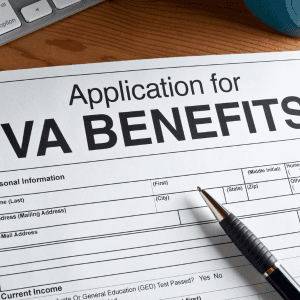
At its core, a VA disability claim is a formal request to the Department of Veterans Affairs (VA) asking them to recognize that you have a medical condition, illness, injury, or psychological condition that was caused by, aggravated by, or connected to your military service.
If the VA determines your condition is service-connected, they assign it a disability rating (usually in 10% increments) and provide monthly compensation, access to additional healthcare benefits, and other resources depending on your rating and situation.
A VA disability claim is not:
A handout
Charity
Something to feel guilty or undeserving of
Only for severe or obvious injuries
It is a benefit you have earned through your service. It exists to support your health, stability, and quality of life, both now and in the future.
What Conditions Can Be Claimed?
Many veterans assume disability claims are only for combat injuries or visible wounds. That is absolutely not the case.
A VA disability claim may cover:
- Physical injuries (back problems, knee damage, shoulder injuries, joint degeneration)
- Chronic pain conditions
Hearing loss and tinnitus
Vision issues
Illnesses caused by toxic exposures
Respiratory problems
Migraines
Neurological conditions
Traumatic Brain Injury (TBI)
Gastrointestinal disorders
Sleep disorders, including sleep apnea
Psychological conditions such as PTSD, anxiety, depression, and adjustment disorders
What the VA Looks For

It often helps to think of a VA disability claim like a puzzle. The VA needs specific pieces of information to recognize your condition as service-connected. Generally, there are three key elements:
1. A Current Diagnosis
2. Evidence It Happened or Began in Service
This can include:
- Service medical records
Incident reports
Deployment or exposure records
Line of duty documentation
Buddy Letter
Even your own written statement
3. A Connection Between the Two
This is often called a “nexus.” Essentially, it is the link showing your service contributed to or caused your condition. This may be supported by medical opinions, VA exams, records, or other credible evidence.
When these three elements come together, the VA can establish service connection.What Happens After You File
Once you submit your claim, the VA reviews your records and often schedules a Compensation and Pension (C&P) exam. This is not a treatment appointment; it is a medical evaluation to document your symptoms and severity. Based on the exam and your documentation, the VA will decide:
Whether your condition is service-connected
What disability rating to assign
What benefits you qualify for
Why Many Veterans Delay Filing
If you have waited months, years, or even decades, you are not alone. Veterans delay filing for many reasons:
“Others had it worse than me.”
“I don’t want to complain.”
“I’ll take care of everyone else first.”
“The process looks complicated.”
“I tried once and got denied.”
“My pain or symptoms are just part of getting older.”
What a VA Disability Claim Means Beyond Compensation
While financial compensation is important, a VA disability claim is about much more than a monthly payment. It can also mean:
Access to better healthcare
Documentation and acknowledgment of what you went through
Support for your spouse or dependents in certain cases
Increased stability and quality of life
Peace of mind knowing the VA recognizes your condition
What If You Are Denied?
A denial is not the end of the road. Many claims are denied the first time. That does not mean you do not qualify; it may simply mean the VA needs clearer documentation, better medical evidence, or a stronger connection established.
You can:
Submit additional evidence
File a supplemental claim
Pursue an appeal
You Do Not Have To Do This Alone

The VA disability process is important, but it can be emotional, technical, and sometimes frustrating to navigate. That is why guidance matters. Having someone in your corner can make the difference between confusion and clarity, and between stopping halfway or completing the process successfully.
If you are thinking, “Maybe it’s time,” that is a good sign. Whether you are filing for the first time, reopening a claim, appealing a denial, or simply exploring your options, I am here to support you with respect, clarity, and care.
You served your country. You deserve to be cared for now.
If you are ready to start, or even just ready to ask questions, click here to contact me.
You do not have to figure this out alone. Let’s take the next step together.